Guide · Updated March 2026

Preparing for a diabetes appointment

A practical editorial overview of meals, monitoring and conversations with a diabetes care team.

A useful plan should fit medical advice and the life you actually lead.

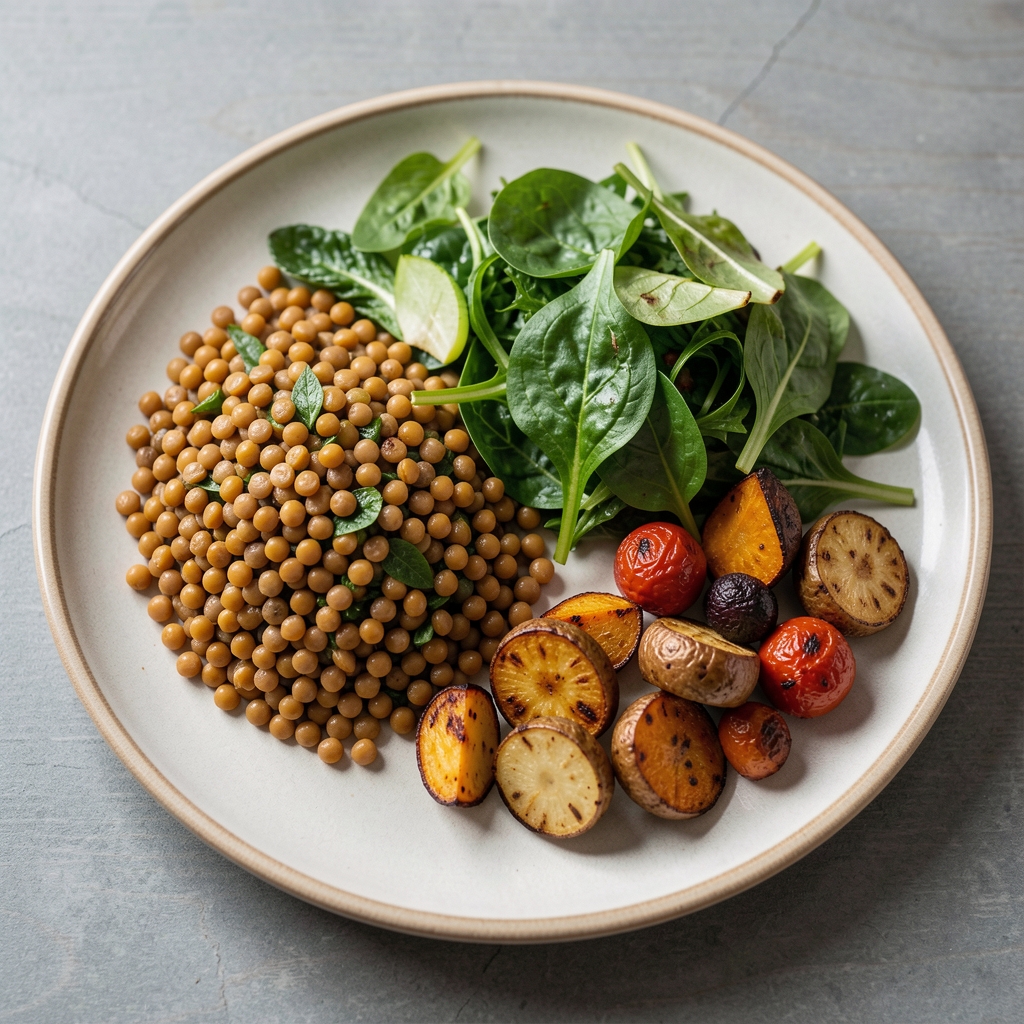
Balanced lunch with vegetables, beans, brown rice and water arranged on a bright kitchen table

Patterns matter

Diabetes management is individual. Carbohydrate choices, medication, activity, sleep and illness can all affect blood glucose. NHS guidance and your own care plan should guide decisions; an article cannot set medication doses or targets.

Food is one part of a wider picture. The same meal can feel different on a workday, after exercise or during illness. Looking at context helps a person discuss useful observations with their care team without treating one reading as a complete conclusion.

Portion size, fibre, timing and the way a meal is prepared can all be useful subjects for a conversation. This page uses ordinary examples such as oats, pulses, vegetables, yoghurt and wholegrain foods, but personal needs vary and allergies or prescribed medicines may change what is suitable.

4useful questions
3meal contexts
7days for notes
1care plan

A simple conversation checklist

  1. Ask how your care team wants you to monitor changes.
  2. Discuss meals that are realistic for your budget and schedule.
  3. Ask what to do when you are unwell or appetite changes.
  4. Review medicines and supplements with a pharmacist.

Bring a short record rather than trying to remember every meal. A note can include the time, broad meal description, activity, sleep and anything unusual about the day. The aim is to make a consultation clearer, not to create a test that must be completed perfectly.

It can help to agree which changes should be discussed promptly and which observations can wait for a routine appointment. If you have been given individual targets or instructions, those take priority over general information on this page.

Everyday food questions

QuestionUseful contextConversation point
What is in the meal?Carbohydrate, fibre, protein and preparation method.Ask how the balance fits your plan.
When is it eaten?Work, travel, sleep and activity can alter timing.Discuss practical routines rather than idealised ones.
How does the day feel?Illness, stress and appetite may change choices.Ask what sick-day guidance applies to you.
What information is missing?One meal or reading cannot describe a pattern.Use several observations and professional advice.
“A useful record is not a judgement about food. It is a short, honest description of a day that can help a qualified professional understand the questions you want to ask.”

Keep notes flexible. If tracking becomes stressful, ask your care team whether a simpler approach would be more appropriate.

Carbohydrate context

Rice, bread, pasta, potatoes, fruit, pulses and milk-based foods can all contribute carbohydrate. The amount and type in a meal are only part of the picture, and portion guidance should come from your own plan.

Reading a label can help identify serving size, fibre and total carbohydrate. Labels are not a substitute for individual advice, especially when a medicine or monitoring routine has been prescribed.
Fibre and fullness

Vegetables, pulses, fruit, oats and wholegrain foods can add texture and fibre to meals. Introduce changes gradually if your current diet is different, and ask about fluid needs or digestive concerns.

A varied plate can also make meals more satisfying and culturally familiar. There is no single menu that suits every household, budget or appetite.

Daily context

Sleep, movement, stress, illness and meal timing can influence how a day is experienced. Note these alongside food when they are relevant to the question you want to explore.

Small practical observations are often easier to review than a long unstructured diary. Share only what feels necessary for the purpose of the appointment.

A measured way to review a routine

  1. Notice: describe the meal and the surrounding circumstances.
  2. Record: use the monitoring method your care team has explained.
  3. Compare: look for repeated patterns over several days, not one isolated event.
  4. Discuss: take questions and notes to a qualified professional.

This process avoids turning a single result into a broad assumption. It also leaves room for adjustments when working hours, family meals, travel or illness make the routine different.

Frequently asked questions

Should I remove a whole food group?

General articles cannot answer that safely for every person. Ask a registered dietitian or diabetes care team how to make changes while maintaining adequate nutrition and fitting your treatment plan.

Does one reading explain a meal?

A reading is a piece of information in a specific context. Timing, equipment, activity and illness may all matter, so discuss repeated patterns rather than drawing a conclusion from one observation.

What if eating feels difficult?

Tell your care team if appetite, access, swallowing, digestion or cost makes meals difficult. Practical support may be more useful than a generic menu.

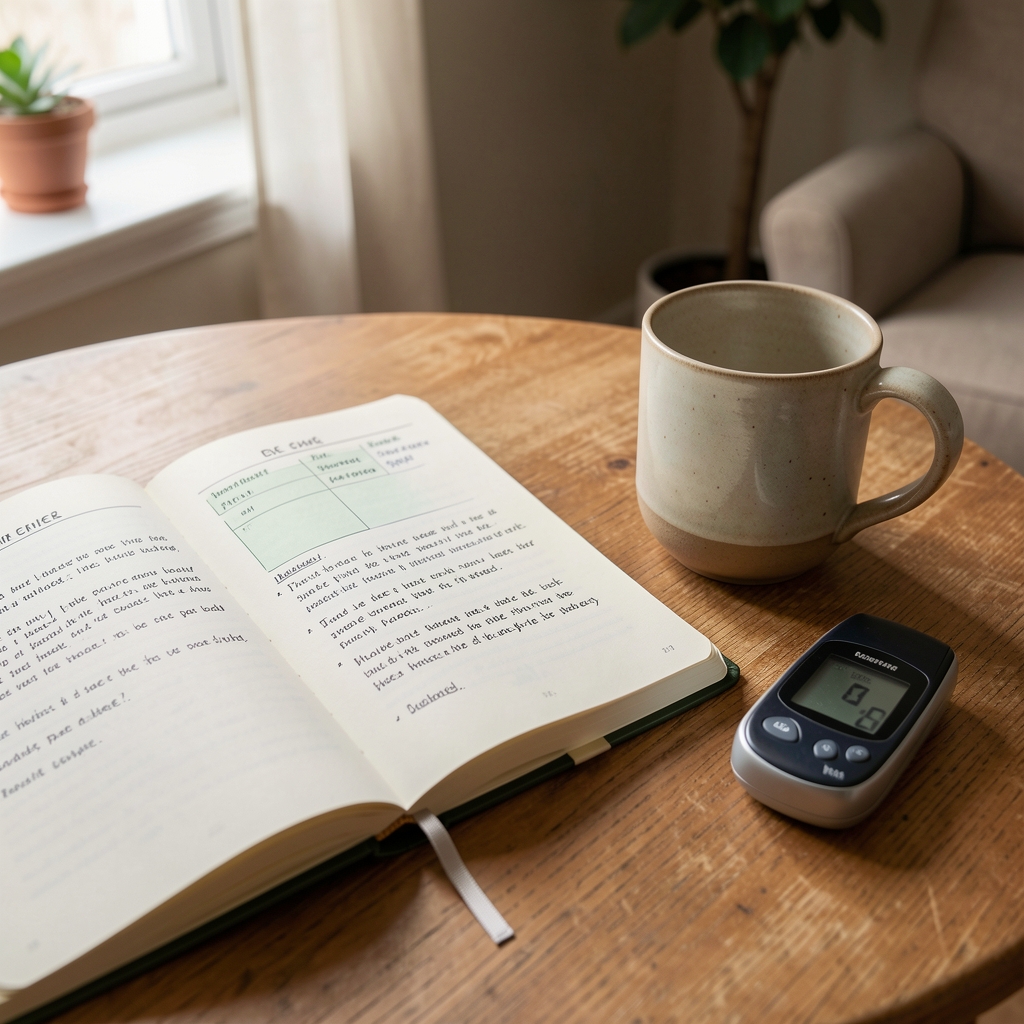
Open notebook with meal observations and a glucose meter beside a ceramic mug in a calm home setting

Keep the context

  • Use the date shown on the page when saving a reference.
  • Check NHS and professional guidance for current advice.
  • Do not change prescribed medicines based on an article.
  • Contact a qualified professional when a question is personal or urgent.

Evolve presents general information for readers in the UK. The editorial team does not provide individual diagnosis, prescription instructions or emergency support. The contact address is 78 Regent Street, Manchester, Greater Manchester, M14 4GP and the phone number is 0161 748 6329.

Last reviewed March 2026. Content may be updated when public guidance or source material changes.

What to bring to a review

A useful appointment starts with a short description of what has changed and what you would like to understand. Bring a current medicines list, questions about monitoring, and notes about practical barriers such as work patterns, cost, appetite or travel. You do not need a perfect diary. A few representative days can show why a routine is difficult to follow.

Ask the care team to explain unfamiliar terms, how results are interpreted, and which changes should be discussed promptly. If another person helps with meals or appointments, consider asking whether they should be included in the conversation. Write down the agreed next step and when it should be reviewed.

  • Recent questions and relevant dates
  • Current prescriptions and allergies
  • Monitoring method and any equipment concerns
  • Practical support you would find useful
“A good appointment leaves room for questions, uncertainty and the realities of everyday life.”

General information cannot replace a care plan. Contact the appropriate UK health service when a concern is urgent.

Appointment preparation in practice

Use this page to organise questions, medicines and recent observations before speaking with a qualified UK health professional. The appointment context matters more than a generic food rule.